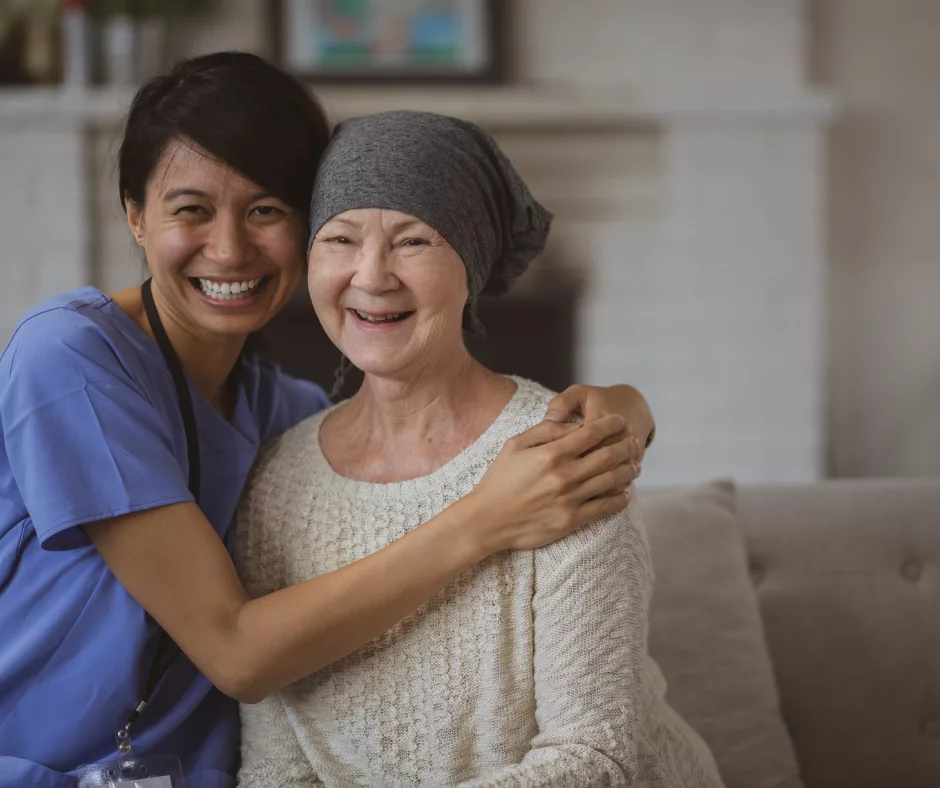


Across cultures, women carry a disproportionate share of caregiving responsibilities. Often, it is women who notice a problem, who book appointments, sit beside hospital beds, and hold families together through times of illness. It is women who, for generations, have been the quiet architects of care.
Yet when it comes to their own health, they are too often unheard, underdiagnosed, or expected to endure in silence. In global healthcare, women’s symptoms have historically been misread or minimized. Their pain has been dismissed. Their bleeding has been normalized.
International Women’s Day on March 8 is not only a celebration of achievement. It is an opportunity to reflect on that paradox.
Although affecting both men and women, von Willebrand disease – the most common inherited bleeding disorder – is often under- or misdiagnosed in women experiencing heavier menstrual bleeding, childbirth complications or prolonged bleeding after procedures. Many women are told their symptoms are simply part of being female and spend years without an accurate diagnosis.
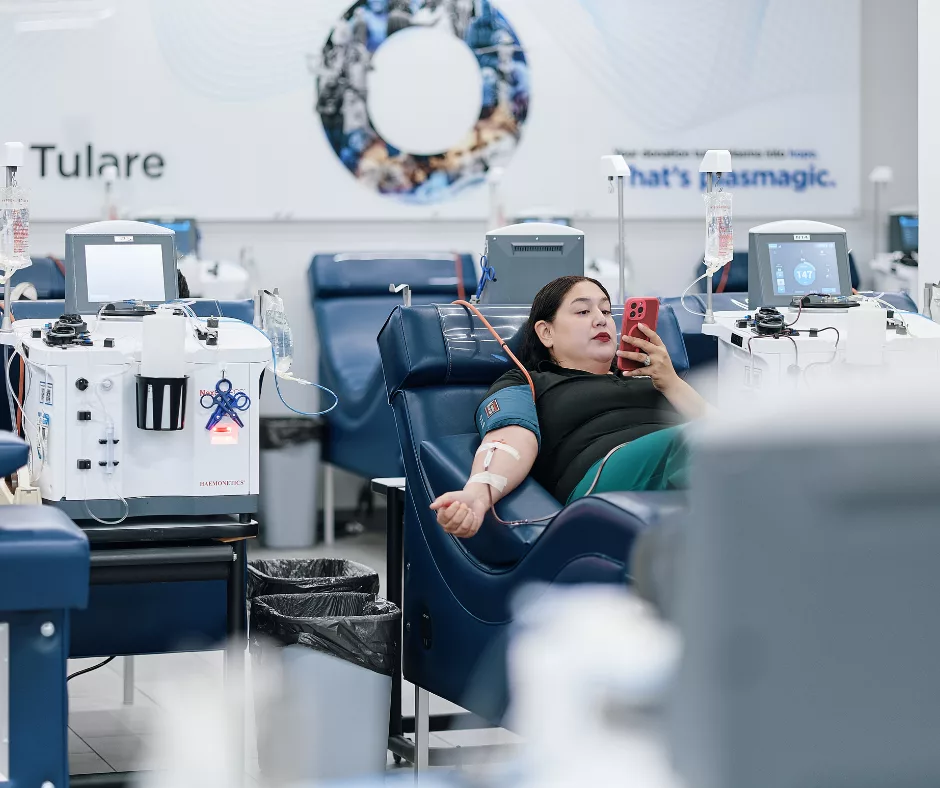
In this context, plasma medicines take on added significance. They help manage bleeding disorders, immune deficiencies and other rare conditions that shape women’s lives as both patients and caregivers. Originating from plasma collected at donor centers, these therapies are carefully processed at production sites before reaching clinics worldwide. And, at Octapharma, women play a critical role at every stage, ensuring a safe and reliable supply to patients.
Where care begins: the Donation Centre – Nigina Jones
At the start of the supply journey stands Nigina Jones, Divisional Director at Octapharma Plasma Inc.
Her professional path began with a desire to understand patient care firsthand. What started as an interest during her medical studies developed into a calling. Later, when work–life balance became a priority, she recognized that Octapharma had a culture aligned with her own values.
Nigina’s leadership is practical and immediate. Ensuring donor safety, maintaining regulatory compliance and fostering a culture of respect are daily imperatives. She understands that the donor experience is built on trust, transparency and consistency. Every safe donation reflects disciplined processes combined with human empathy.
Nigina does not measure impact by a single project but by sustained responsibility, strengthening her organization and supporting patients who rely on plasma therapies. For her, our donor centers are where purpose becomes visible, generosity meets accountability, and operational excellence must coexist with compassion.
Her understanding of International Women’s Day is shaped by childhood memories in Uzbekistan, where every woman was celebrated without exception. That early lesson in belonging continues to influence how she leads today.
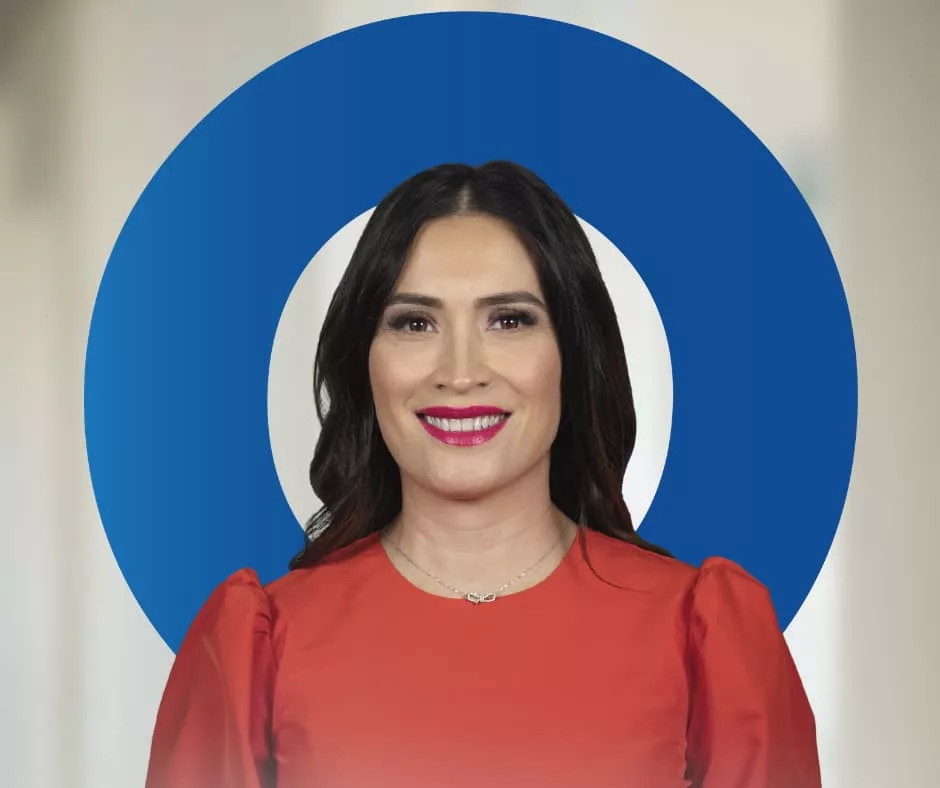
Making the invisible visible: Cassandra Alvarez – the power of communication
Further along the plasma pathway, Cassandra Alvarez, Team Lead for Communication, works at our Lingolsheim production site, where the generosity of our donors is transformed into medicine.
After several years in banking in Paris, Cassandra felt compelled to seek a job with greater meaning. The November 2015 terrorist attacks in France marked a turning point for her: she wanted her work to contribute to something truly useful.
When Cassandra joined Octapharma seven years ago, she stepped into a production environment focused on therapies for patients with serious and chronic diseases requiring lifelong treatment. At just 27, she was given the opportunity by Fany Chauvel, the General Manager of the Lingolsheim site at the time, to build a communications function from scratch.
Starting alone, she defined strategy, shaped a vision and embedded communications into the life of the site. Being supported by a woman leading the organisation became a source of confidence. Today, the department has grown and strengthened its impact internally and externally.
One of her most significant initiatives was the creation of a virtual tour of the production facility. Initially designed for onboarding, it opened up complex manufacturing processes normally hidden behind strict hygiene controls. By making the invisible visible, she has helped teams across sites understand how their daily work contributes directly to life-changing therapies.
For Cassandra, International Women’s Day is a moment to reflect on progress, and on the women leading with expertise and conviction across our industry who have earned their place in environments that are still often predominantly male.
Shaping global strategy: Larisa Belyanskaya – combining science and policy
At the global end of the plasma therapy delivery chain is Larisa Belyanskaya, Global Senior Vice President IBU Hematology.
Larisa joined Octapharma nearly 19 years ago, guided by the combination of science and purpose. For her, it was always about the people whose daily lives depend on treatment – a child who wants to play without fear, a parent who seeks stability, families who want a sense of normality. Knowing that decisions, strategy and teamwork can truly improve someone’s life makes the responsibility both real and personal.
As SVP of IBU Haematology, her responsibilities span global strategy, lifecycle management, scientific positioning and alignment across markets. During her tenure, the haemophilia landscape has changed dramatically. Innovation has accelerated, new therapeutic modalities have emerged and expectations from regulators, physicians and patients have intensified. There were moments when navigating change felt overwhelming.
Over time, she learned that resilience is not about being fearless – it is about staying focused. She believes in being challenged and in challenging her team, because growth comes from dialogue, not hierarchy. Building consensus across cultures and markets, while maintaining scientific integrity, has been central to her leadership approach.
A defining milestone in her career was the launch of Nuwiq®. She describes it as an enormous collective effort – scientifically, strategically and personally. What made it meaningful was not only the commercial success, but the knowledge that treatment options were expanding for people living with haemophilia A. Seeing physicians trust the data and knowing patients have benefited reinforced why the team pushed so hard. Yet she prefers to measure achievement beyond a single product. She points to building a globally aligned Hematology team that functions as a living, learning network, grounded in collaboration and trust, ensuring that scientific progress translates into real access for patients.
Her perspective has also been shaped by personal experience. Living through the war in Ukraine has reframed her understanding of stability and continuity of care. When family and friends are living through that reality, stability stops being an abstract concept; it becomes something tangible and fragile. It is a daily reminder that safety, health and continuity of care are not guaranteed; they are precious.
For Larisa, International Women’s Day is a moment to recognise the expertise and dedication of women across research and development, production, plasma collection, supply chain, regulatory, medical affairs and affiliates worldwide. It is also about partnership – progress does not happen in isolation but when people work together with respect and trust, creating environments where talent can grow and voices are heard.
On a personal level, it is also a day when she reflects on the women in her life, especially her mother, whose strength, resilience and quiet determination shaped who she is today.
A continuum of care shaped by dedicated women
International Women’s Day underscores the need to address gaps in women’s health, from delayed diagnoses of bleeding disorders to disparities in access to care. Advancing women’s health is not peripheral to global healthcare. It is central to it.
But International Women’s Day also allows us to highlight the continuum of care provided by women at every level. Behind every plasma donation is trust. Behind every therapy is scientific rigor. At every stage, women ensure safety, quality and progress.
Through their key responsibilities in donation centers, on production lines and within executive leadership, Nigina, Cassandra and Larisa illustrate the breadth of influence that women hold right across Octapharma today.