Plasma Blog

How Much Water Should You Drink Before Donating Plasma? Hydration Tips for a Smooth Donation

Octapharma News


Hydration can help make plasma donations easier, faster, and more comfortable. When you drink enough fluids before your appointment, it can support healthy blood volume, make veins easier to access, and help you feel better during and after donation.
In this guide, we’ll cover how much to drink, how to hydrate before your visit, what to drink and avoid, hydrating foods to eat, and how to keep feeling your best after donation.
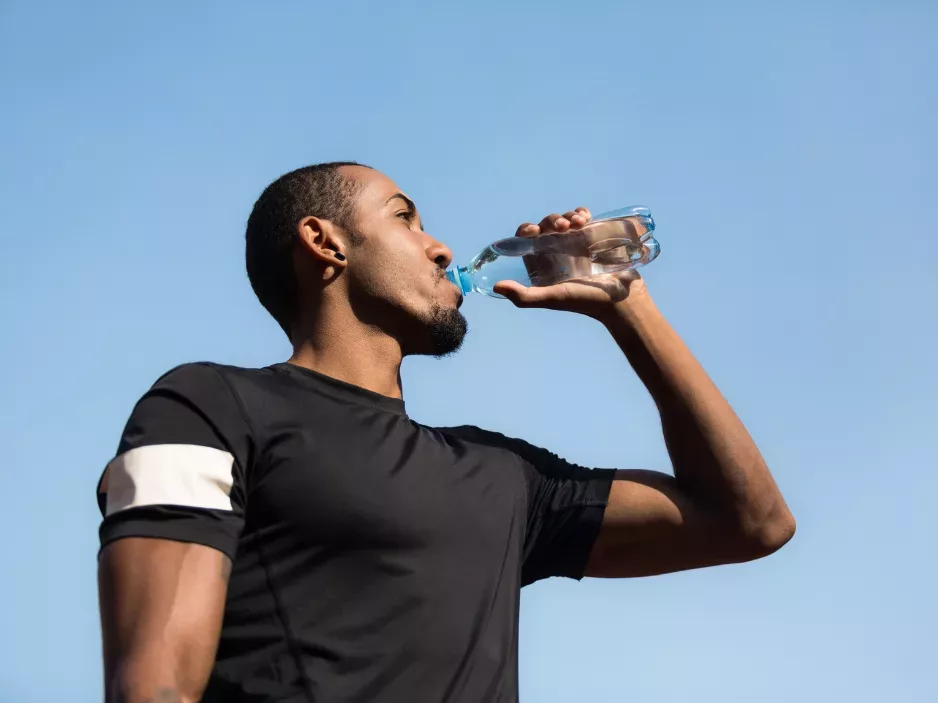
For most donors, aim for 8–10 glasses of water daily, and drink 12–24 ounces of water 30–60 minutes before donation. Starting early and staying consistent can make a big difference.
Drinking water before plasma donation can help support:
If possible, don’t wait until the last minute to hydrate. Drinking fluids throughout the day is more effective than trying to drink a large amount all at once right before your visit.
When you’re well hydrated, your body is better equipped to handle the donation process and can help increase plasma volume levels.
Proper hydration may help prevent:
It can also help support:
Hydration also matters for success at the screening stage and may help prevent plasma donation deferrals. Donation centers check certain health markers before you donate. If you’re dehydrated, it may impact readings that are part of the screening process.
In short, hydration supports comfort, readiness, and a better overall donation experience.
The best way to hydrate before donating plasma is to start early and drink water consistently.
Here are a few simple ways to do that:
A little preparation goes a long way. When you build hydration into your routine before donation day, you set yourself up for a smoother visit.
Water is the best thing to drink before plasma donation. It supports hydration without added caffeine or other ingredients that may work against you.
Good options to drink before donating plasma include:
A simple timing guide can help:
Choose drinks that help you stay hydrated and feel your best. Keeping it simple often works best.
It’s best to limit or avoid coffee before plasma donation.
Coffee and other heavily caffeinated beverages can act as diuretics, which means they may make it harder to stay hydrated. Caffeine may also raise your heart rate or pulse, which could affect your donation readiness.
If you do drink coffee before your plasma donation appointment:
If your goal is a smooth donation, water is still your best choice.
Yes, dehydration can affect plasma donation eligibility.
If you’re dehydrated, it may lead to:
Hydration may also affect hematocrit readings, which are part of the screening process. Since donors need to meet certain requirements before they can donate, showing up well hydrated can help support eligibility and a successful donation.
Use these hydration tips to help prepare for your visit:
These habits are easy to follow and can help you feel more prepared when it’s time to donate. Learn more about other plasma donation tips for quicker donations, nutrition, and more.
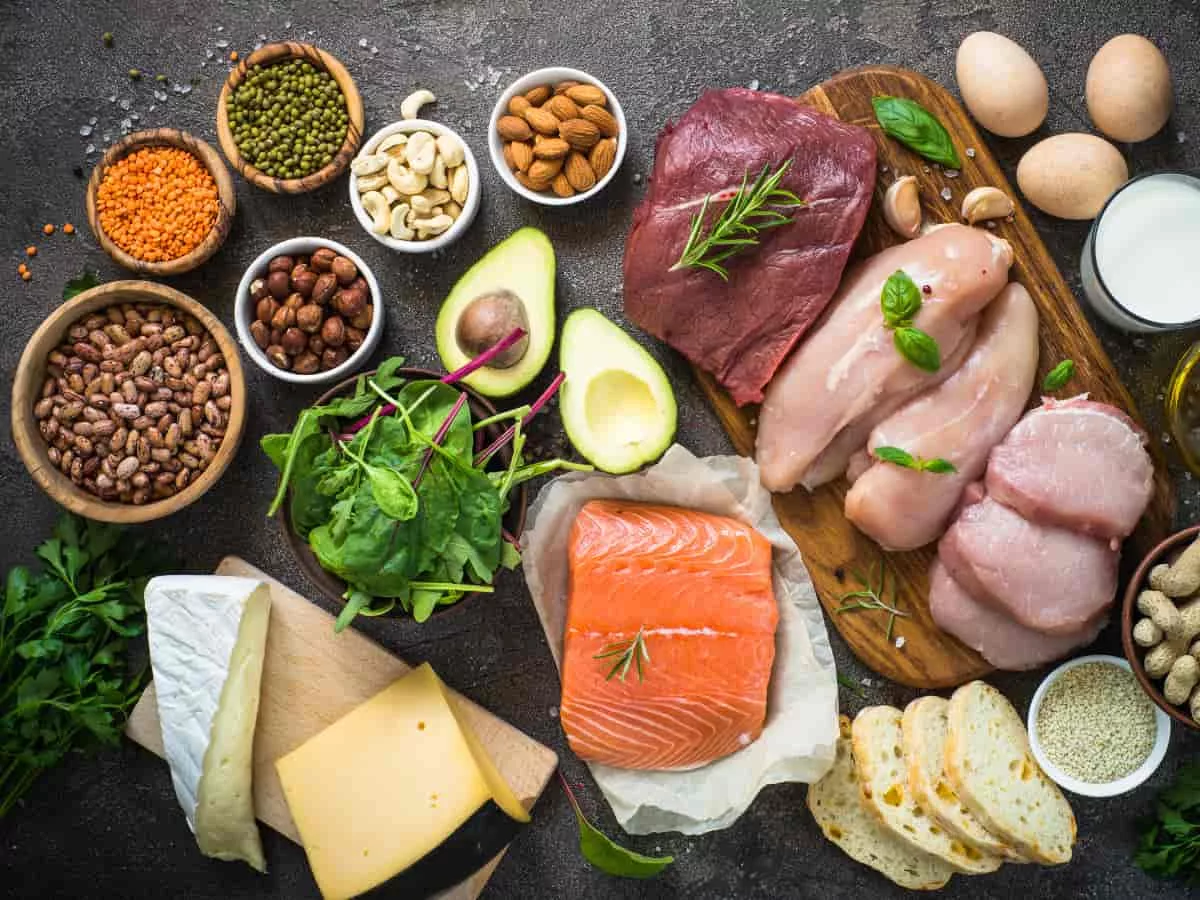
You can support hydration through food too. High-water foods can help you stay hydrated while also adding nutrients to your day.
Good hydrating foods include:
These options make hydration easier and can help support your body before donation. Pairing water with hydrating foods is a smart way to prepare.
If you’re planning your donation day meals, include foods that are light, hydrating, and easy to eat. Learn more here about what to eat before donating plasma.
Some choices can make hydration harder and lead to a less comfortable experience.
These can increase your risk of dehydration and may make donation day feel harder than it needs to.
Hydration still matters after your donation. Your body needs time and fluids to recover.
Here are a few simple tips to avoid dehydration after donating plasma:
Keep a water bottle nearby and take small sips throughout the day. Pair fluids with a balanced meal to help support recovery and keep yourself feeling well.
Staying hydrated is one of the easiest ways to support a better plasma donation experience. It can help with eligibility, make the donation process smoother, and support recovery after your visit.
The key steps are simple:
A little planning can go a long way. Stay hydrated, take care of your body, and donate with confidence. Ready to take the next step? Find a plasma donation center near you.
We’re excited you are considering donating plasma with us.

To provide the best experiences, we use technologies like cookies to store and/or access device information. Consenting to these technologies will allow us to process data such as browsing behavior or unique IDs on this site. Not consenting or withdrawing consent, may adversely affect certain features and functions.
Manage your cookie preferences below:
Essential cookies enable basic functions and are necessary for the proper function of the website.
Google Tag Manager simplifies the management of marketing tags on your website without code changes.
These cookies are used for managing login functionality on this website.
Statistics cookies collect information anonymously. This information helps us understand how visitors use our website.
Google Analytics is a powerful tool that tracks and analyzes website traffic for informed marketing decisions.
Service URL: policies.google.com (opens in a new window)
Service URL: clarity.microsoft.com (opens in a new window)
A/B testing website optimization
Service URL: vwo.com (opens in a new window)
Marketing cookies are used to follow visitors to websites. The intention is to show ads that are relevant and engaging to the individual user.
Bing, powered by Microsoft, is a search engine providing web, image, video, and map search capabilities.
Service URL: www.facebook.com (opens in a new window)
Google Ads is an online advertising platform that enables businesses to create targeted ads displayed on Google search results and partner sites.
Service URL: policies.google.com (opens in a new window)
TikTok Pixel is a tracking tool that measures user interactions and optimizes ad campaigns on the TikTok platform.
Service URL: ads.tiktok.com (opens in a new window)
A/B testing website optimization
Service URL: vwo.com (opens in a new window)
Service URL: www.youtube.com (opens in a new window)
Necessary cookies are essential for the website to function properly. They enable core functionality such as security, form submissions, spam/bot protection, and remembering your cookie consent preferences.
Service URL: policies.google.com (opens in a new window)
You can find more information in our Cookie Policy & Preferences and Privacy Statement.