

Preparing for a plasma donation is not just about showing up; it starts on your plate and in your water glass hours, or even days, before your appointment.
Eating the right foods and drinking plenty of water is essential for a smooth donation experience. Proper nutrition helps you pass the health screening, speeds up the donation process, and ensures you feel great afterward.
This guide will walk you through exactly what to eat, what to avoid, and how to stay hydrated so you can be ready to save lives.
Why What You Eat Before Donating Plasma Matters
When you donate plasma, your body temporarily loses water and protein. While your body is incredible at replenishing these supplies, it needs the right building blocks to do so efficiently.
Focusing on good nutrition helps in three main ways:
- Passing the Screening: Before every donation, staff will check your protein and hematocrit levels. If they are out of range, you cannot donate that day.
- Faster Donation Times: A well-hydrated body allows blood to flow more easily, which can significantly reduce the time you spend donating.
- Better Recovery: Eating healthy and staying hydrated helps prevent potential side effects of donating plasma, such as lightheadedness and fatigue, helping you get back to your day with energy.
Best Foods to Eat Before Donating Plasma
Protein is one of the most critical nutrients for plasma donors. Plasma rich in protein helps support immune function and blood clotting.
Aim to eat a protein-rich meal with complex carbs within three hours of your donation appointment. This ensures your levels are high enough to pass the screening and helps keep your blood sugar stable during the process.
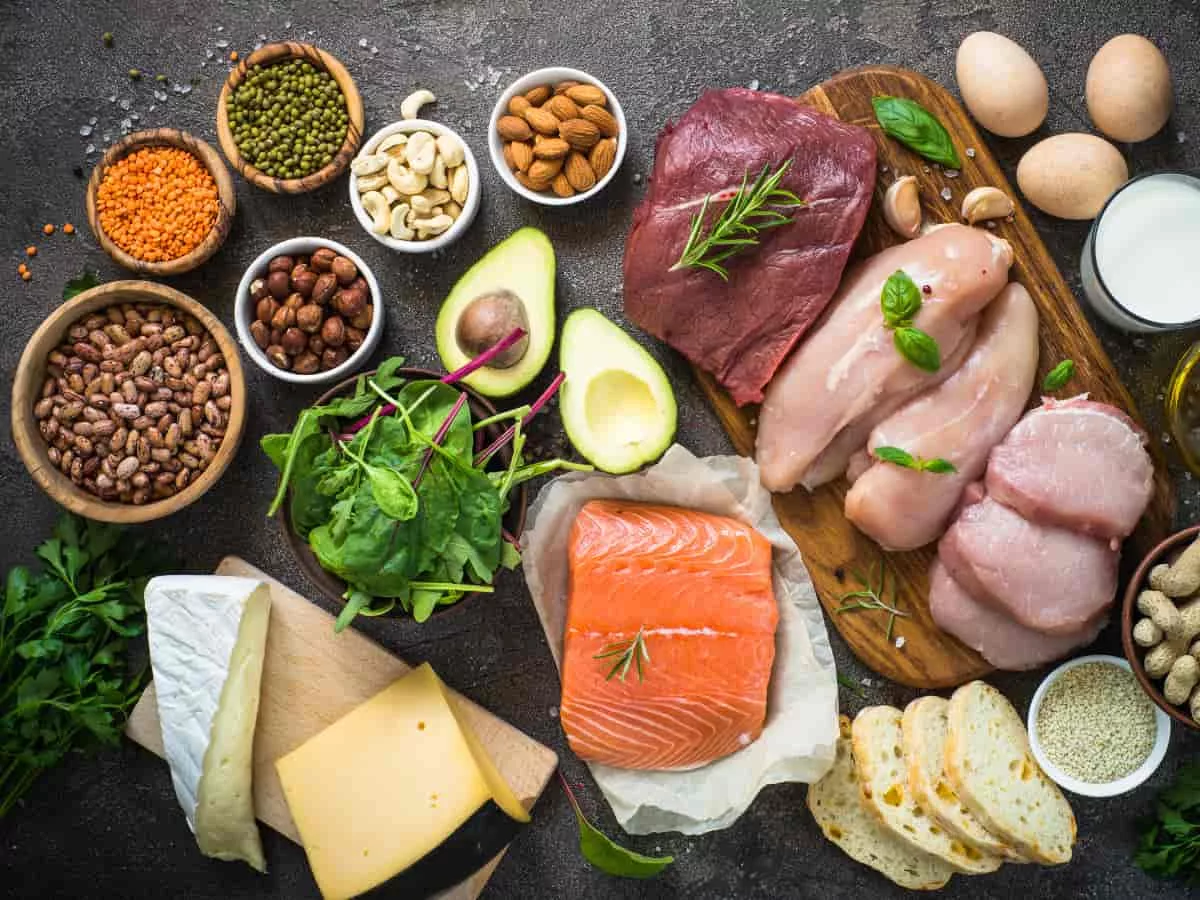
High-Protein Foods to Eat Before Donating Plasma
- Lean Meats: Chicken and turkey are excellent choices.
- Seafood: Shrimp and fish provide quality protein.
- Dairy: Milk, cheese, and yogurt are easy to consume and rich in nutrients.
- Plant-Based Options: Beans, nuts, seeds, and tofu.
- Eggs: A quick and versatile protein source.
Try having a turkey sandwich on whole-wheat bread or a bowl of yogurt with nuts before you head to the center. It’s a simple step that makes a big difference.
Boost Your Iron Levels
Iron is another essential component of your blood health. It helps produce hemoglobin, which carries oxygen throughout your body. If your hematocrit is not within the acceptable range, you will be deferred from donating to protect your own health.
To keep your levels in the “safe zone,” incorporate iron-rich foods into your daily diet, especially in the days leading up to your donation.
Iron-rich Foods to Eat Before Donating Plasma
- Meats: Red meat, chicken, and turkey.
- Vegetables: Broccoli, spinach, collard greens, and string beans.
- Fruits: Watermelon, strawberries, and raisins.
- Grains: Iron-fortified cereals, oats, and whole wheat bread.
Pair Iron with Vitamin C for Better Absorption
Vitamin C helps your body absorb iron. Try drinking a glass of orange juice with your iron-fortified cereal or eating strawberries alongside your eggs. This dynamic duo maximizes the benefits of the food you eat.
What Not to Eat Before Donating Plasma
While protein and iron are your friends, fatty foods are the enemy of a successful plasma donation.
When you eat foods high in fat like fries, greasy burgers, pizza, or potato chips excess fat enters your bloodstream. This can cause a condition called lipemia, which makes your plasma look milky or cloudy instead of its normal clear, yellowish color.
Why Fatty Foods Can Affect Your Plasma
High fat content in your blood may result in an inability to test your plasma, preventing it from being used in life-saving medication. Fatty plasma can also clog the specialized filters in the plasmapheresis machine.
Foods to Avoid on Plasma Donation Day:
- Fried foods (fries, onion rings, fried chicken)
- Fast food burgers and pizza
- High-fat pastries and donuts
- Heavy cream sauces
Instead, choose baked or grilled options to keep your meals light and lean.
Hydration: How Much Water to Drink Before Donating Plasma
Water makes up more than 90% of your plasma. If you are dehydrated, your blood becomes thicker and moves more slowly. This means it will take the machine longer to collect your plasma.
Dehydration can also make your veins harder to find. Staff want to make your stick as comfortable and quick as possible, and hydrated veins are much easier to access.
How to stay hydrated before donating plasma:
- Choose the Right Fluids: Water is best. Fruit juices and sports drinks are also good options because they provide electrolytes.
- Drink Early and Often: Don’t wait until you are in the lobby to start drinking. Drink 6 to 8 cups of water or juice the day before you donate, and another 6 to 8 cups on the day of your donation. Learn more about how much water to drink before donating plasma.
- Rest: Get a good night’s sleep before donating and avoid strenuous activity that would cause you to sweat.
Should You Avoid Coffee Before Donating Plasma?
Coffee and tea are mild diuretics, meaning if taken in excess could result in a dehydration. If you drink coffee, drink an extra glass of water to balance it out.
Think of water as fuel for your donation. The more hydrated you are, the faster you can get back to your day.
Can You Drink Alcohol Before Donating Plasma?
Alcohol is a powerful diuretic. It causes your body to lose fluid rapidly, leading to dehydration. Because hydration is so critical for plasma donation, you should avoid alcohol completely the night before and the day of your donation.
Drinking alcohol before donating can lead to dehydration, which increases the risk of feeling faint or dizzy during the process.
What to Eat After Donating Plasma
Recovery is just as important as preparation. Immediately after donating, you should eat a light snack and drink more fluids. This will help speed up your body’s recovery and replenishment process.
Recovery steps:
- Keep Hydrating: Continue to drink water throughout the rest of the day to replace the volume you donated.
- Eat a Nutritious Meal: Within two hours of donating, eat a balanced meal containing protein and complex carbohydrates.
- Listen to Your Body: If you feel tired, rest. Your body is working to replace those proteins, so give it the support it needs. If you feel more than tired, please contact your Donor Center.
You Are Ready to Donate!
By following these health and nutrition tips, you are setting yourself up for success. You are ensuring that your body is strong, your veins are ready, and your plasma is high-quality. Find a plasma center near you to start donating today.