



If you’re considering donating plasma, you may hear the term hematocrit during the screening process. Hematocrit is an important measurement that helps determine whether you’re eligible to donate plasma and ensures the donation process is safe for you.
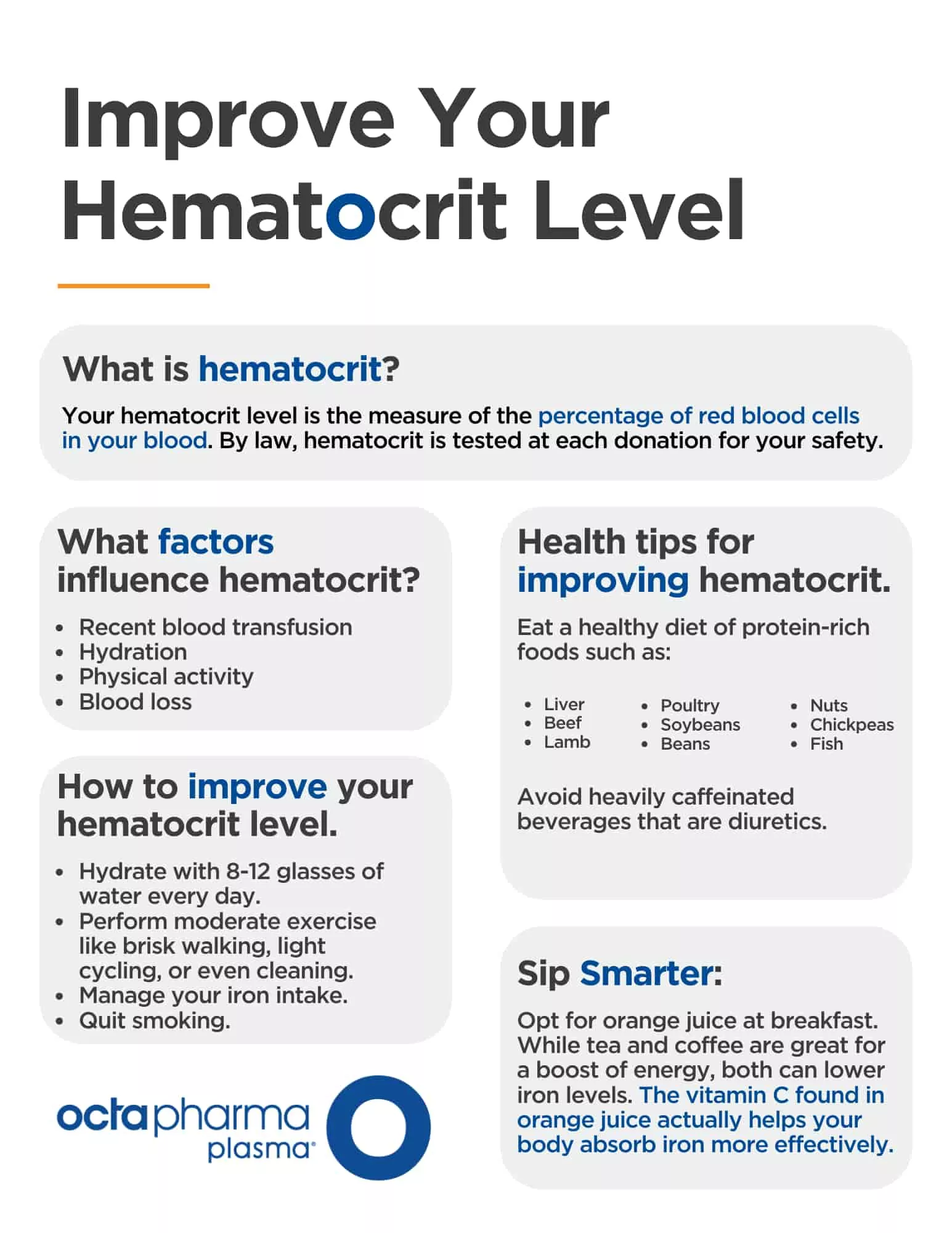
Your hematocrit level represents the percentage of your blood made up of red blood cells. Because red blood cells carry oxygen throughout your body, maintaining a healthy hematocrit level is essential for overall health and well-being.
What Is Hematocrit?
Hematocrit is a blood measurement that shows how much of your blood volume consists of red blood cells.
For example, if your hematocrit level is 40%, it means that 40% of your blood is made up of red blood cells, while the remaining 60% consists primarily of plasma, white blood cells, and platelets.
Red blood cells contain hemoglobin, a protein responsible for carrying oxygen from your lungs to tissues throughout your body. Because of this critical function, hematocrit levels can provide valuable insight into your overall health.
Why Is Hematocrit Important?
Your hematocrit level helps healthcare professionals understand your body’s ability to transport oxygen efficiently.
Hematocrit testing can provide information about:
- Oxygen delivery throughout the body
- Hydration status
- Red blood cell production
- Overall blood health
- Certain medical conditions that affect red blood cells
For plasma donors, hematocrit testing is an important part of the screening process because it helps ensure your body has adequate red blood cell levels before donation.
What Is a Normal Hematocrit Level?
Normal hematocrit ranges vary depending on factors such as age, sex, health status, and even altitude.
Typical adult hematocrit level ranges include:
- Adult men: 41%–50%
- Adult women: 36%–48%
- Children: Normal ranges vary by age
It’s important to remember that normal ranges can vary between laboratories and healthcare providers. Your healthcare professional can help interpret your specific results.
Why Do Plasma Donation Centers Check Hematocrit?
Plasma donation centers check hematocrit levels to help ensure donor safety.
During plasma donation, only plasma is collected. Most of your red blood cells are returned to your body during the donation process. Even so, maintaining healthy red blood cell levels is important before donating.
A hematocrit screening helps identify whether your body has enough red blood cells to support a safe donation experience.
If your hematocrit level falls below donation requirements, you may receive a temporary deferral until your levels improve. These requirements are designed to protect your health.
To learn more about temporary donation delays, visit our guide to Plasma Deferrals Explained.
What Causes Low Hematocrit?
A low hematocrit level means your blood contains a lower-than-normal percentage of red blood cells.
Common causes may include:
- Iron deficiency
- Blood loss
- Vitamin B12 deficiency
- Folate deficiency
- Certain chronic illnesses
- Overhydration
- Recent medical procedures
Symptoms of Low Hematocrit
Some people with low hematocrit may experience:
- Fatigue
- Weakness
- Dizziness
- Shortness of breath
- Pale skin
- Reduced exercise tolerance
If you have concerns about low hematocrit levels or related symptoms, consult your healthcare provider.
What Causes High Hematocrit?
A high hematocrit level means your blood contains a higher-than-normal percentage of red blood cells.
Common causes may include:
- Dehydration
- Smoking
- Living at high altitude
- Certain lung conditions
- Certain heart conditions
- Medical conditions that increase red blood cell production
Symptoms of High Hematocrit
Some individuals with elevated hematocrit levels may experience:
- Headaches
- Dizziness
- Flushed skin
- Blurred vision
- Increased risk of blood clots
Your healthcare provider can help determine whether elevated hematocrit levels require additional evaluation.
How to Improve Low Hematocrit Levels
If your hematocrit level is lower than desired, healthy lifestyle habits may help support red blood cell production and overall blood health.
Stay Hydrated
Proper hydration supports healthy circulation and can help ensure accurate hematocrit readings.
Aim to drink plenty of water throughout the day, especially before your plasma donation appointment.
Eat Iron-Rich Foods
Iron plays an important role in red blood cell production.
Good dietary sources of iron include:
Animal-based sources
- Beef
- Liver
- Poultry
- Fish
- Shellfish
Plant-based sources
- Beans
- Lentils
- Chickpeas
- Soybeans
- Nuts
- Dark leafy greens
Increase Vitamin C Intake
Vitamin C helps your body absorb iron more effectively.
Foods rich in vitamin C include:
- Oranges
- Grapefruit
- Strawberries
- Bell peppers
- Tomatoes
- Broccoli
Pairing iron-rich foods with vitamin C-rich foods may help maximize iron absorption.
Get Enough Protein
Protein supports many bodily functions, including the production of healthy blood cells.
Lean meats, fish, eggs, dairy products, beans, and legumes are excellent sources of protein.
For additional nutrition tips, visit our guide on What to Eat Before Donating Plasma.
Hematocrit vs. Hemoglobin: What’s the Difference?
Hematocrit and hemoglobin are closely related, but they measure different aspects of your blood.
Hematocrit
- Measures the percentage of your blood that consists of red blood cells
- Reported as a percentage (%)
- Helps indicate the proportion of red blood cells in your bloodstream
Hemoglobin
- Measures the amount of hemoglobin protein in your blood
- Reported in grams per deciliter (g/dL)
- Helps indicate your blood’s oxygen-carrying capacity
Both measurements provide important information about blood health and are often evaluated together.
Frequently Asked Questions About Hematocrit
What is hematocrit in a blood test?
Hematocrit is the percentage of your blood volume that consists of red blood cells.
What is a normal hematocrit level?
Typical hematocrit levels range from approximately 41% to 50% for adult men and 36% to 48% for adult women, though ranges vary by laboratory and individual factors.
What causes low hematocrit?
Low hematocrit may result from iron deficiency, blood loss, vitamin deficiencies, chronic illness, or overhydration.
What causes high hematocrit?
High hematocrit may be caused by dehydration, smoking, high altitude, or certain medical conditions that increase red blood cell production.
How can I improve my hematocrit levels before donating plasma?
Staying hydrated, eating iron-rich foods, consuming adequate protein, including vitamin C-rich foods in your diet, moderate exercise, and avoiding smoking may help support healthy hematocrit levels.
Can dehydration affect hematocrit results?
Yes. Dehydration can temporarily increase hematocrit levels because there is less fluid in the bloodstream.
Is hematocrit the same as hemoglobin?
No. Hematocrit measures the percentage of red blood cells in your blood, while hemoglobin measures the amount of oxygen-carrying protein contained within those cells.
Maintain Healthy Hematocrit Levels for Successful Plasma Donations
Hematocrit is an important measurement that reflects the percentage of red blood cells in your blood and plays a key role in oxygen transport, overall health, and plasma donation eligibility.
By staying hydrated, eating a balanced diet rich in iron and protein, and following healthy lifestyle habits, you can help support healthy hematocrit levels and stay prepared for future plasma donations.
Ready to Donate Plasma?
Every plasma donation has the potential to help create life-saving therapies for people living with rare and chronic medical conditions. If you’re interested in becoming a donor, Octapharma Plasma makes it easy to get started and compensates you after donating plasma.
Book your first plasma donation appointment today and take the first step toward making a difference in the lives of patients who depend on plasma-derived therapies.