


What is Plasma?
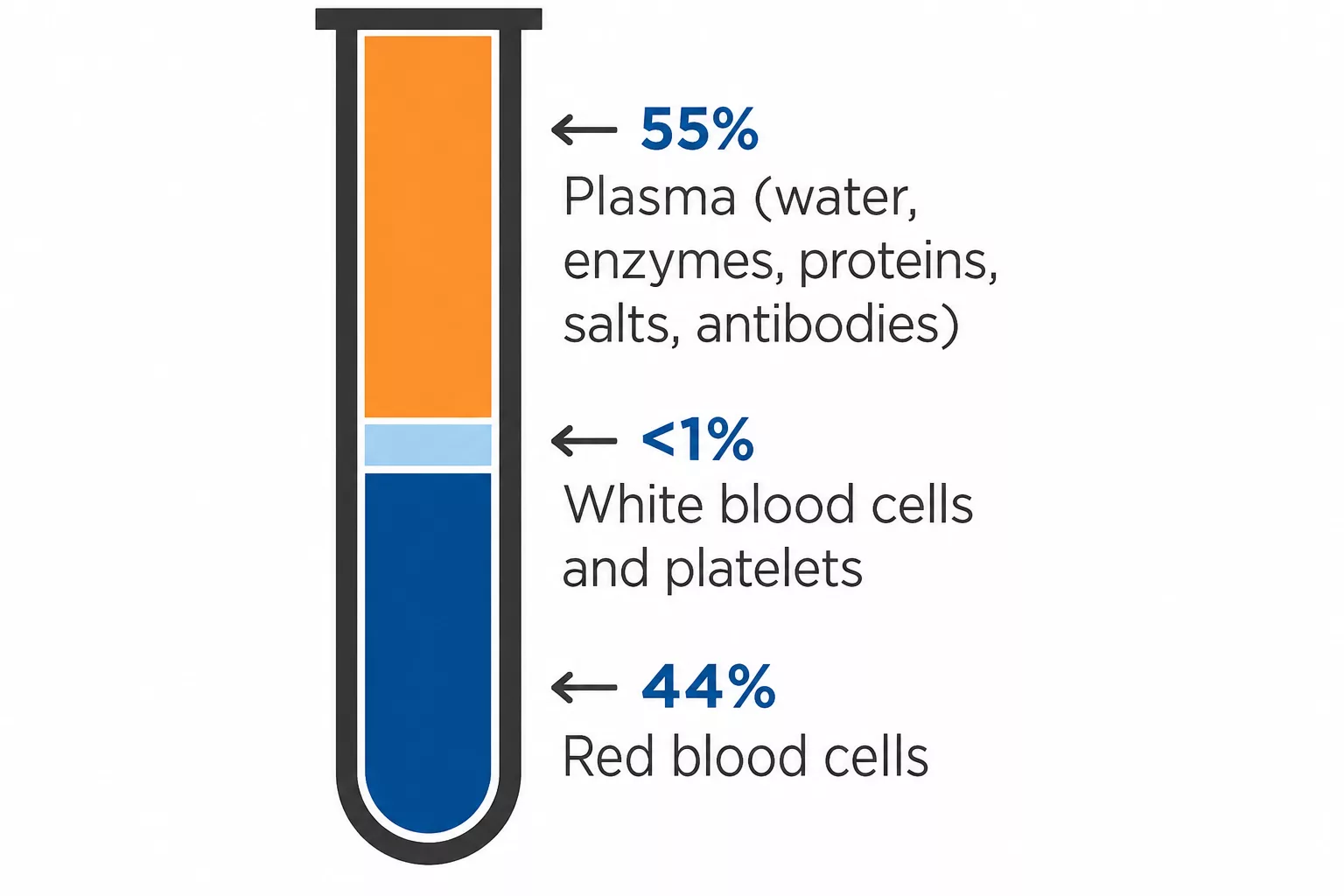
Plasma is the liquid portion of blood that helps blood flow through your body. It makes up about 55% of your blood volume and carries blood cells, proteins, nutrients, hormones, and waste products where they need to go.
Plasma is also essential in medicine. Donated plasma can be used to help create therapies for people with immune deficiencies, bleeding disorders, autoimmune conditions, and other serious health needs. That is why plasma is often called “the gift of life.”
What Is Plasma in Blood?
Plasma surrounds and carries red blood cells, white blood cells, and platelets. It helps transport the proteins and other substances your body needs to function.
 What Color Is Plasma?
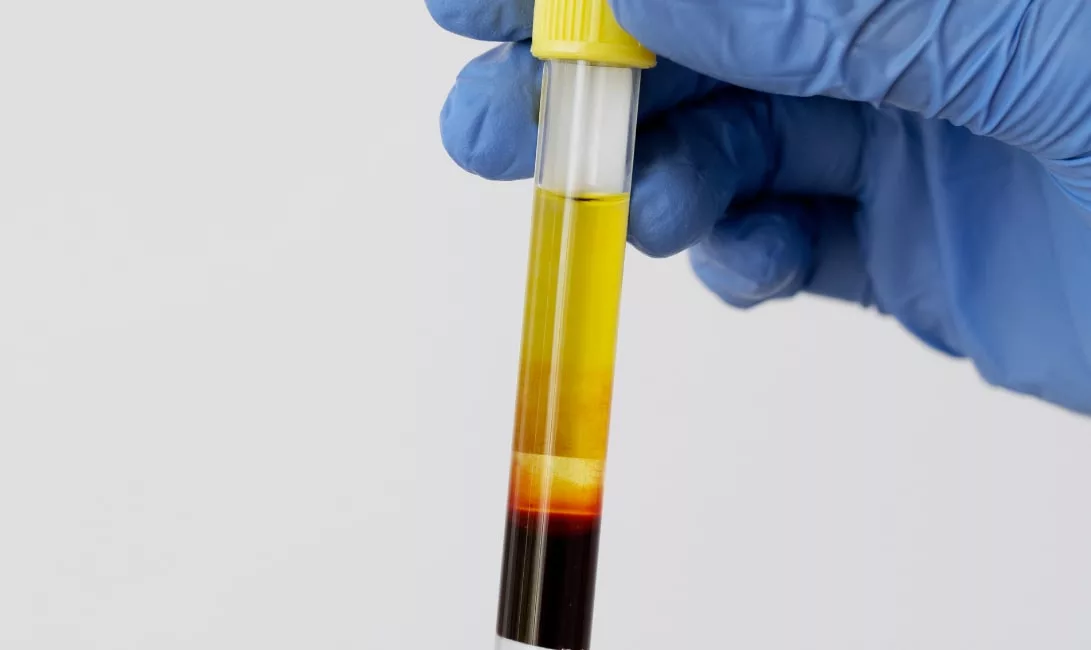
Plasma is usually pale yellow or straw-colored after it has been separated from red blood cells, white blood cells, and platelets. Whole blood looks red because of red blood cells, but plasma itself is much lighter in color.
What Percentage of Blood Is Plasma?
Plasma accounts for about 55% of total blood volume. The remaining portion of blood includes red blood cells, white blood cells, and platelets.
What Is Plasma Made Of?
Plasma is mostly water, but it also contains many substances that help your body stay healthy and function properly.
Blood plasma contains:
- Water
- Proteins
- Antibodies
- Albumin
- Clotting factors
- Electrolytes
- Hormones
- Nutrients
- Vitamins and minerals
- Waste products
These components allow plasma to support circulation, immune defense, blood clotting, hydration, and waste removal.
Important Proteins Found in Plasma
Plasma contains several important proteins, including albumin, globulins, immunoglobulins, fibrinogen, and other clotting factors.
Albumin helps maintain the right balance of fluid in your bloodstream. It also helps transport certain hormones, vitamins, and other substances.
Globulins support immune function. One type of globulin, immunoglobulins, also called antibodies, helps the body identify and fight infections.
Clotting factors help blood clot when you are injured. These proteins are important for controlling bleeding and supporting wound healing.
What Does Plasma Do?
Plasma has several essential jobs in the body. It helps blood circulate, supports the immune system, carries nutrients, and helps remove waste.
Plasma Helps Blood Flow Through the Body
One of plasma’s most basic functions is giving blood its liquid form. Red blood cells, white blood cells, and platelets are suspended in plasma, which allows them to move through blood vessels and reach tissues throughout the body.
Plasma Transports Nutrients, Hormones, and Proteins
Plasma carries nutrients such as glucose and proteins. It also transports hormones, electrolytes, proteins, vitamins, and other substances that help organs and tissues work properly.
Plasma Supports the Immune System
Plasma carries antibodies and other immune-related proteins that help protect the body from infection. These proteins play an important role in recognizing and responding to harmful bacteria, viruses, and other threats.
Plasma Helps Blood Clot
Plasma contains clotting factors that help stop bleeding after an injury. When a blood vessel is damaged, these proteins help form a clot so the body can begin healing.
Plasma Helps Maintain Blood Pressure and Blood Volume
Because plasma makes up a large portion of blood volume, it helps keep blood pressure and circulation stable. Healthy plasma levels help blood move efficiently through the body.
Plasma Helps Remove Waste
Plasma carries waste products from cells to organs such as the kidneys, liver, and lungs, where those waste products can be filtered, processed, or removed from the body.
Plasma Helps Regulate Body Temperature and pH Balance
Plasma also helps distribute heat throughout the body and supports a stable pH balance. This helps cells and organs function in the right internal environment.
Why Is Plasma Important?
Plasma is important because it supports many of the body’s most essential functions. It helps blood circulate, delivers nutrients, supports immunity, helps control bleeding, and removes waste.
Plasma is also important in medicine. The proteins found in donated plasma can be separated and used to create plasma-derived therapies. These therapies may help people living with rare, chronic, or serious conditions.
For many patients, plasma-derived therapies are not optional. They are part of ongoing treatment that helps them manage disease, prevent complications, or improve quality of life.
What Is Blood Plasma Used For?
Blood plasma has different uses in medicine. Some plasma is used directly in transfusions and emergency care, while donated plasma can also be processed into plasma-derived medicines. These are different types of plasma collection and different medical uses.
Plasma for Transfusion and Emergency Medicine
Plasma used in transfusion settings may help patients who have experienced trauma, burns, shock, severe bleeding, or certain clotting problems. In these cases, plasma can help support blood volume and provide proteins needed for clotting.
Plasma-Derived Medicines
Donated plasma can also be processed into plasma-derived medicines. During this process, specific proteins are separated, purified, and manufactured into therapies.
Plasma-derived therapies may be used to help treat people with conditions such as:
- Immune deficiencies
- Autoimmune disorders
- Hemophilia and other bleeding disorders
- Certain rare or chronic diseases
- Conditions requiring specific plasma proteins
Many plasma proteins used in these therapies cannot simply be manufactured; they can only be sourced from human plasma. That makes human plasma donations an important part of helping patients who rely on these treatments.
Plasma vs. Blood: Are They the Same?
Plasma and blood are not the same thing. Plasma is one part of blood.
Blood is made up of plasma, red blood cells, white blood cells, and platelets. Plasma is the liquid portion that carries these blood components throughout the body.
An easy way to think about it is this: blood is the full mixture, while plasma is the liquid that helps everything move.
Plasma vs. Serum: What’s the Difference?
Plasma and serum are both liquid components related to blood, but they are not exactly the same.
Plasma contains clotting factors, including fibrinogen. Serum is the liquid that remains after blood has clotted, so it does not contain the same clotting factors as plasma.
This difference matters in medical testing, research, and treatment because plasma and serum can be used for different purposes.
How Is Plasma Collected?
Plasma can be collected through a process called plasmapheresis. This is the process used during plasma donation.
During plasmapheresis:
- Blood is drawn from the donor.
- A machine separates plasma from other blood components.
- Red blood cells, white blood cells, and platelets are returned to the donor.
- The collected plasma is stored for testing, processing, or manufacturing.
This process allows plasma to be collected while returning the other major blood components to the donor.
Is Plasma Donation Safe?
For eligible donors, plasma donation is generally considered safe and is performed under regulated screening and collection procedures.
Before donating, donors complete a health screening to help confirm eligibility. Donation centers also provide instructions for preparing for donation and taking care of yourself afterward.
Some donors may experience mild temporary side effects, such as lightheadedness, bruising, or dehydration. Following center guidance before and after donation can help support a better donation experience.
What Happens to Donated Plasma?
After donation, plasma goes through a careful process before it can be used to help patients. This process includes testing, freezing, processing, purification, and manufacturing.
Stage 1: Plasma Donation
Plasma is collected from an eligible donor at a plasma donation center. After collection, it can be frozen and stored under controlled conditions and prepared for testing and transport.
Stage 2: Plasma Testing
Donated plasma is tested to help ensure safety and quality. This step is important before plasma can move forward in the process.
Stage 3: Fractionation
Fractionation is the process of separating plasma into different components. This allows specific proteins, such as immunoglobulins, albumin, or clotting factors, to be collected for use in plasma-derived therapies.
Stage 4: Purification
After fractionation, plasma proteins are purified. This step helps remove or inactivate unwanted materials and supports the safety and quality of the final therapies.
Stage 5: Manufacturing
The purified proteins are manufactured into plasma-derived medicines. These products are inspected, packaged, tested for quality, and distributed for patient care.
The full journey from plasma donor to patient can take months because each step must meet strict safety and quality standards.
Why Plasma Donation Matters
Plasma donation matters because donated plasma can help create therapies for people with serious medical conditions. Patients with immune deficiencies, bleeding disorders, autoimmune conditions, and other health needs may rely on plasma-derived medicines as part of their care.
By donating plasma, eligible donors help provide the starting material needed to make these therapies. A single donation is part of a much larger process that can support patients who depend on plasma-derived treatments.
If you are interested in donating plasma, you can find a plasma donation center near you, review donor eligibility requirements, and schedule your first appointment.
FAQs About Plasma
What is plasma?
Plasma is the liquid portion of blood. It carries blood cells, proteins, nutrients, hormones, and waste products throughout the body.
What is plasma in blood?
Plasma is the fluid part of blood that helps blood flow and transports red blood cells, white blood cells, platelets, proteins, and other important substances.
What is plasma made of?
Plasma is mostly water. It also contains proteins, antibodies, clotting factors, electrolytes, hormones, nutrients, vitamins, minerals, and waste products.
What does plasma do?
Plasma helps maintain blood pressure and blood volume, transports nutrients and hormones, supports the immune system, helps blood clot, regulates body temperature, and removes waste.
What is blood plasma used for?
Blood plasma may be used in emergency care, transfusions, and the production of plasma-derived medicines for people with certain immune, bleeding, and rare disorders.
Is plasma the same as blood?
No. Plasma is one component of blood. Blood also contains red blood cells, white blood cells, and platelets.
What is the difference between plasma and serum?
Plasma contains clotting factors. Serum is the liquid that remains after blood has clotted, so it does not contain the same clotting factors.
How is plasma donated?
Plasma is donated through a process called plasmapheresis. Blood is drawn from the donor, plasma is separated by a machine, and the other blood components are returned to the donor.
Is donating plasma safe?
For eligible donors, plasma donation is generally considered safe and is performed under regulated procedures. Donors complete health screenings and should follow all center instructions before and after donation.
How long does it take for plasma to regenerate?
The body typically replaces plasma volume quickly, often within about 2 days after donation.
What happens to plasma after donation?
Donated plasma is tested, frozen, processed, purified, and used to help create plasma-derived therapies or other medical products.
Why is plasma called the gift of life?
Plasma is often called the gift of life because it contains proteins and antibodies that can be used to help create therapies for people with serious medical conditions.